Register
to get articles and more to your inbox
News & insights
Archive
Directory
Tencent Continues To Be A Dominant Force In Asia’s Esports Industry
The 2023 Asian Games in Hangzhou, which ended early this month, saw yet another mainstream moment for esports as it was officially pencilled into the major multi-sport competition.
Played across nine days, the esports event had competitors from 31 out of the 45 nations and had a full house despite being one of the most expensive ticketed events in the Games.
The event accentuated several key trends in the esports industry. Firstly, official organisations and authorities are playing a central role in the landscape, with game developers involved as copyright holders. Next, the increase the number of participants from various countries mirrors the rising influence of esports in Asia’s esports landscape. There is also the emergence of innovation in intellectual property.
In 2022, the esports industry in China earned almost US$20 billion, hosting a total of 108 esports events across the year, according to various market intelligence reports.
Newzoo also predicts that in 2023, the global esports audience will reach 574 million, with 283 million core esports enthusiasts. In China, esports user growth has remained stable at around 6% over the past two years, and the number is estimated to reach 478 million people this year.
The emergence of esports in this year’s Asian Games cements an influential step in its transition from a niche interest to mainstream status, offering greater avenues for commercial growth. Brands that previously did not sponsor esports events or clubs are beginning to recognise the commercial prospects of the industry, translating to increased income and job opportunities for the sport’s ecosystem .
Chinese game developers, unlike international giants like Blizzard, have promoted open competitions, making it easier for independent companies to participate in the industry’s growth. This approach lowers entry barriers for esports development in China is and lays the foundation for the mainstreaming of esports.
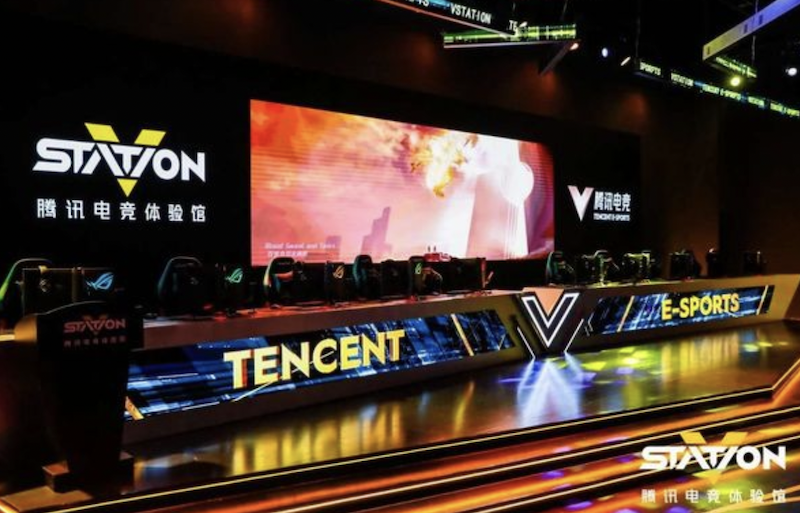
However, the industry is still led by Chinese tech behemoth Tencent, which is connected to developing popular titles such as Honor of Kings and PUBG. Tencent has played a major role collaborating with national regulatory authorities in pivotal aspects such as the development of a special version for the Games, technology tools and services, specialized training and support for personnel, and the promotion of positive values in esports.
Furthermore, Tencent has banked on its multi-platform, multi-business networks, and high-speed internet connectivity to promote events, providing the esports community with live broadcast streams, video-on-demand, and short video content. This year, Tencent announced its role as the exclusive broadcasting rights holder for the Asian Games.
Despite competition from primary rival Netease and fast-emerging companies like miHoYo and Lilith, Tencent Esports has cemented its dominance through its expertise in the esports ecosystem.
According to ASN data, Tencent is the biggest player (87.3%, slightly over US$1.8m) for its category in the Asian sponsorship landscape. Its major deal includes backing the Global Esports Federation to propel the growth of esports across Asia.