Register
to get articles and more to your inbox
News & insights
Archive
Directory
Axiata Subsidiary Exploits Escape Clause To Pull Out Of Cricket Deal
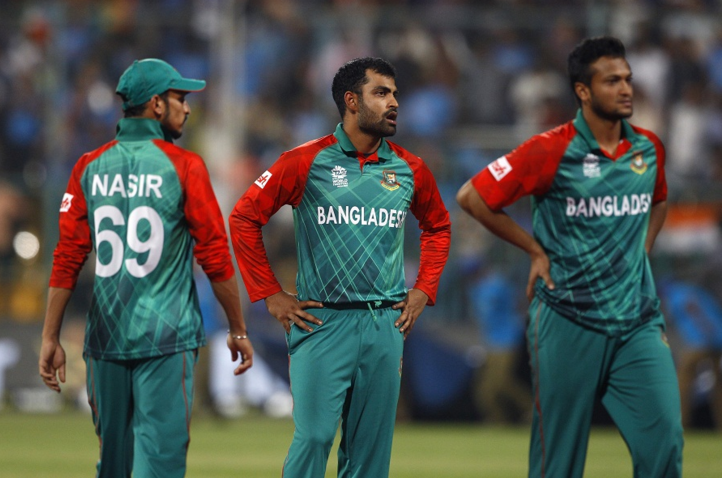
BCB chief executive Nizamuddin Chowdhury said. “Robi Axiata have said that since individual player endorsements with conflicting brands wasn’t [sic] getting solved completely, they took this decision. But we felt that they had a different strategic reason.”
The BCB were in the process of terminating the conflicting player endorsements to try resolve the issue; they have clearly been caught out by the telco’s sudden decision.
The competitive deals and their respective status are:
- Shakib Al Hasan and Banglalink: discontinued
- Tamim Iqbal and Grameenphone: discontinued
- Mashrafe Bin Mortaza and Grameenphone: in process of discontinuation
Robi Axiata gave their side of the story in a statement, saying that the current deal “falls short in upholding the spirit of the agreement”, without revealing more details. Robi had first signed a two-year contract with the BCB for ~US$5.32m (BDT 41.41 crore) in 2015, after Aamby Valley, an affiliate of Sahara India Parivar, had also prematurely ended their title sponsorship contract with the BCB.
It is not uncommon to see cricket stars from South Asia having deals with rival brands of their board’s official sponsors, a case in point being Virat Kohli’s Gionee deal despite Oppo backing Team India.
Robi Axiata’s commercial situation is slightly different, however: it has been saddled by cut-throat competition and rising operational costs in Bangladesh and has seen losses hit almost US$19.3m in Q118. Perhaps this cost saving exercise – and the use of a standard contractual escape clause – is the hidden agenda that the BCB has speculated.
Robi’s Malaysia-based parent company Axiata has also been in the news for some major write-downs, including a US$810m loss in the Indian telco market.
The BCB will now look for a title sponsor ahead of the Asia Cup, which will be a scramble in the two week window left for them.